Loading...
Serving El Cajon, CA and surrounding areas. (858) 339-9080
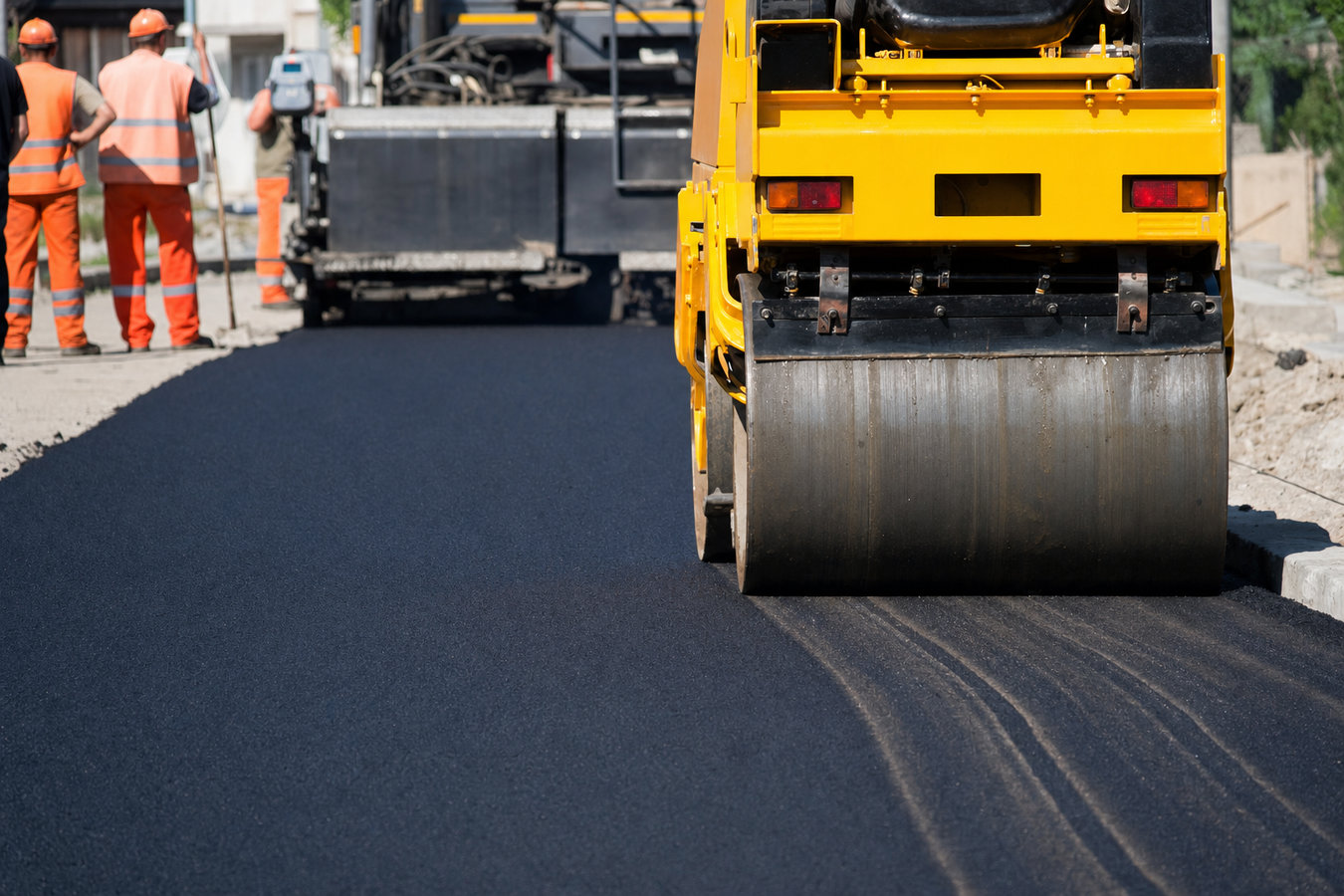
El Cajon's clay soils and valley terrain demand proper site prep before any paving begins. We excavate, grade, and compact so your new surface stays level and drains correctly.
Grading and excavation in El Cajon means reshaping the ground to the right slope and elevation before any asphalt goes down, with most residential driveway projects taking one to two days depending on site conditions and how much material needs to be removed.
Asphalt is only as good as what it rests on. If the soil underneath is soft, uneven, or poorly drained, the finished surface will shift and crack no matter how well the paving was done. In El Cajon, the clay-heavy soils that expand with winter rains and shrink through the dry summer are one of the most common causes of premature pavement failure. Grading and excavation done correctly removes or stabilizes that problematic layer and replaces it with compacted base material before paving begins.
For driveways with recurring cracks or soft spots, the underlying issue is almost always the base - and that is where proper site prep connects directly to drainage solutions that prevent water from pooling under your asphalt in the first place. We assess both during the estimate visit.
Standing water on your driveway or along the edge of your home after El Cajon's winter rains means the ground is not draining correctly. Proper regrading directs that water away before it softens the base or seeps toward your foundation.
A driveway that pitches toward the house instead of away from it sends every rainstorm directly at your garage door or foundation. This is a grading error, and regrading corrects the slope so water moves away from the structure.
Cracks running across the surface, areas that feel spongy underfoot, or visible low spots mean the base beneath your asphalt has shifted or settled. In El Cajon's clay soils, this movement is common and worsens over time without base-level correction.
Any new asphalt surface needs proper grading and excavation first. Starting without this step is the single most common reason new pavement fails within a few years, especially on El Cajon's clay-heavy soils.
Grading and excavation is almost always the first step in any new asphalt driveway or parking area project. Skipping or rushing this step to save money is one of the most common reasons paved surfaces fail early. Our scope covers everything from a basic site prep for a new residential driveway to a full excavation and base rebuild on a lot where years of soil movement have compromised the existing foundation.
Once grading is complete and the base has been inspected, the work connects naturally to concrete curbing and sidewalks if your project includes edging or border work. We coordinate those phases so the entire project moves in the right order and the finished surfaces tie together properly.
Best for homeowners adding a new driveway or widening an existing one. We excavate the area, remove clay-heavy topsoil, bring in compactable base material, and grade to the correct slope before any asphalt is ordered.
Best when water consistently pools on your paved surface or flows toward your home. We reshape the grade so every rainstorm runs away from your foundation and toward the street or a proper drainage point.
Best for driveways where the existing base has failed due to soil movement or years of deferred maintenance. We remove the old pavement and base material, stabilize the subgrade, and rebuild with properly compacted aggregate before paving.
Best for El Cajon's hillside properties where the grade drops or rises from the street to the home. We balance cut and fill carefully so the finished surface drains correctly, holds up under vehicle loads, and does not erode at the edges.
El Cajon sits in an inland valley surrounded by hillsides, and that geography shapes both the soil conditions and the drainage challenges contractors face here. The valley floor has clay-heavy soils that swell when the winter rains arrive and shrink and crack through the long dry summer - a cycle that is hard on any surface not built on a properly prepared base. On hillside lots, which are common across much of El Cajon, the grading work is more complex: the contractor has to balance cutting into the high side and filling the low side while managing drainage so water runs away from the home, not toward it.
Timing the work before the rainy season matters here in a way it does not in most of the country. Homeowners in Lakeside and Santee face the same clay soil and valley drainage conditions as El Cajon. Grading done in late summer or early fall - before the rains arrive - gives the compacted base time to settle and be paved without the risk of freshly disturbed soil being soaked and eroded by the first winter storms.
We walk your property, assess existing slope and soil conditions, and identify where water currently goes and where it should go. You receive a written estimate that separates grading and excavation from paving so you can see what each stage costs.
We determine whether a permit is needed before any equipment arrives. If your project involves a curb cut or significant drainage change, we handle the permit application - budget extra time for approval, typically a week or more.
The crew digs out the area to the depth needed for a stable base, removes clay-heavy topsoil if present, and hauls all excavated material to a licensed disposal facility the same day. This is the loudest and most disruptive part of the job.
We shape the ground to the correct slope and compact base material in layers. Once complete, we inspect the base - or coordinate with a city inspector if a permit was pulled - before the paving crew arrives.
We walk your property, show you exactly what the ground needs, and give you a written estimate before any equipment arrives.
(858) 339-9080El Cajon's expansive clay soils and sloped terrain make grading here more demanding than in flatter, sandier areas. We know how to excavate, stabilize, and compact base material in these specific conditions so the surface above holds up through the seasonal wet-dry cycle.
Our state contractor license covers earthwork and paving and can be verified directly on the CSLB website before you call. That license means we are accountable to state standards for every grading and excavation job we take on.
Excavated soil and old materials are hauled away to a licensed facility as part of the job. Your written estimate specifies whether disposal is included so there are no surprise charges when the trucks leave your property.
We do not rush from grade to asphalt. After compaction, the base is inspected - either by our supervisor or by the relevant inspector if a permit was pulled - before paving starts. That step is how we catch problems before they become your problems.
Grading and excavation is the step most homeowners never see, but it is the one that determines whether your driveway holds up for years or starts showing problems within a season. We take it seriously because we have seen what happens when it is rushed. The National Asphalt Pavement Association and California's Contractors State License Board both provide resources you can use to verify any contractor before work begins.
After grading is complete, concrete curbing defines the edges of your paved area and prevents asphalt from spreading or crumbling at the border.
Learn MoreProper grading works in tandem with drainage improvements to keep water moving away from your home and off your paved surfaces year-round.
Learn MoreThe dry season window is the right time to prep your site - call now and get your project on the calendar before fall arrives and the ground conditions change.